The progress of China’s new energy vehicles overseas market is "irreversible", and consumers’ love is beyond words.
CCTV News:In recent years, Brazil’s new energy vehicle market has shown a rapid growth momentum. In this round of rapid growth, the performance of new energy vehicles in China is particularly eye-catching. According to the statistics of Brazilian Electric Vehicle Association, in the first four months of 2024, among the top five brands of new energy vehicle sales in Brazil, China brand cars (BYD, Great Wall Motor and Chery) occupied three seats.
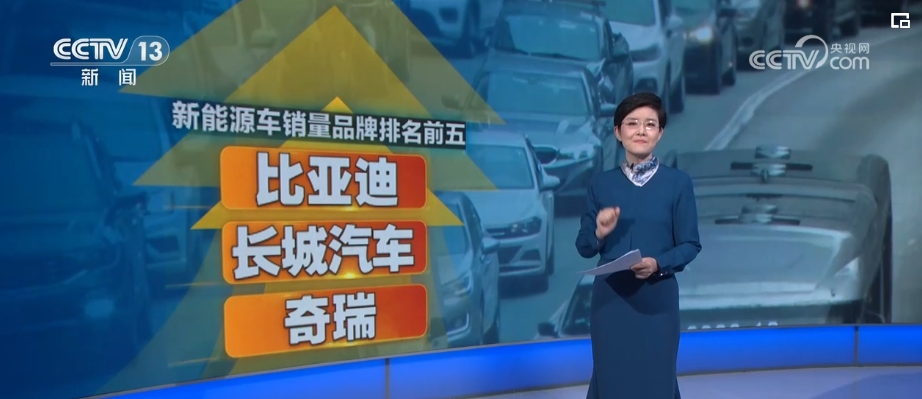
Looking at the data in April alone, of the 15,206 new energy vehicles sold in the Brazilian market, 7,045 are BYD models, accounting for 46.3%; Great Wall Motor sold 2,281 vehicles, accounting for 15%.
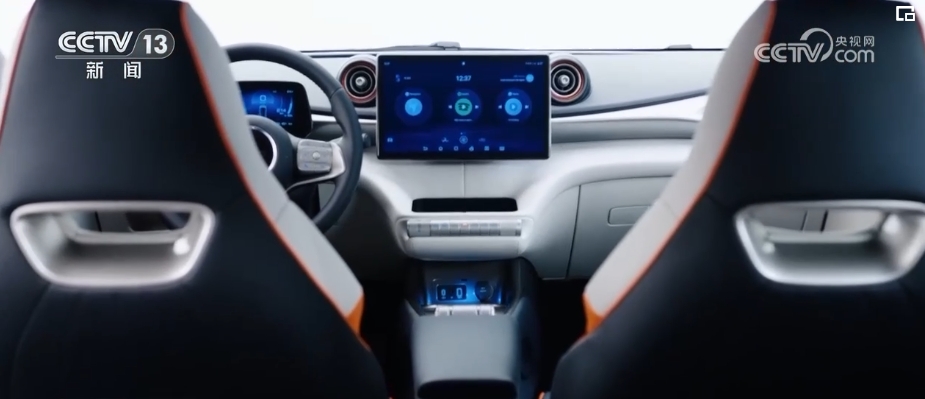
According to the estimation of Brazilian Electric Vehicle Association, in 2024, the sales of new energy vehicles in Brazil will account for 10% of the total sales of passenger cars in the whole year, reaching 150,000.
Why are China’s new energy vehicles favored in Brazil?
As the largest automobile market in Latin America and the sixth largest in the world, Brazil has shown a rapid growth trend in the field of new energy vehicles in recent years. In 2023, the total sales volume of new energy vehicles in Brazil nearly doubled year-on-year, and the huge market potential also attracted global automakers to flood in. One of the highlights is that the share of China brand new energy vehicles has increased significantly.
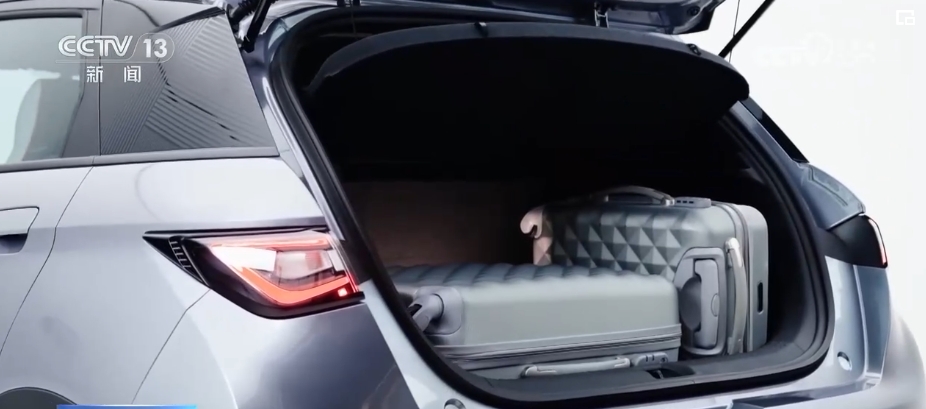
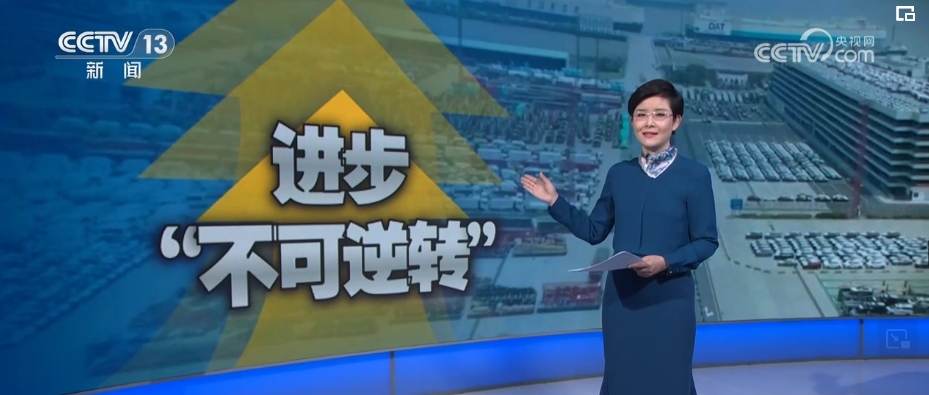
According to the data released by the Brazilian Foreign Trade Bureau in May, the progress of China’s new energy vehicles in the Brazilian market is "irreversible". In the fierce competition of Brazil’s new energy vehicle market, why are China’s new energy vehicles favored? Whether the product is good or not is the consumer who has the most say.
Hot keywords: excellent performance and high cost performance
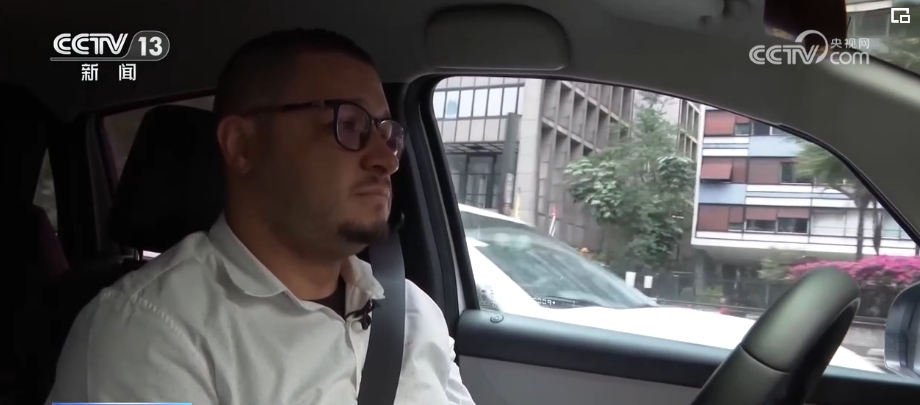
Tiago is a network car driver, who has been in this business for 5 years. I used to drive a fuel car, but now I am the owner of BYD pure tram.
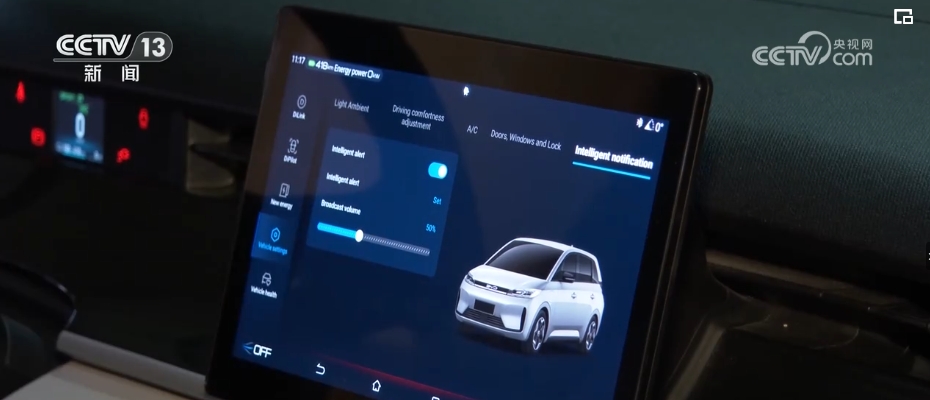
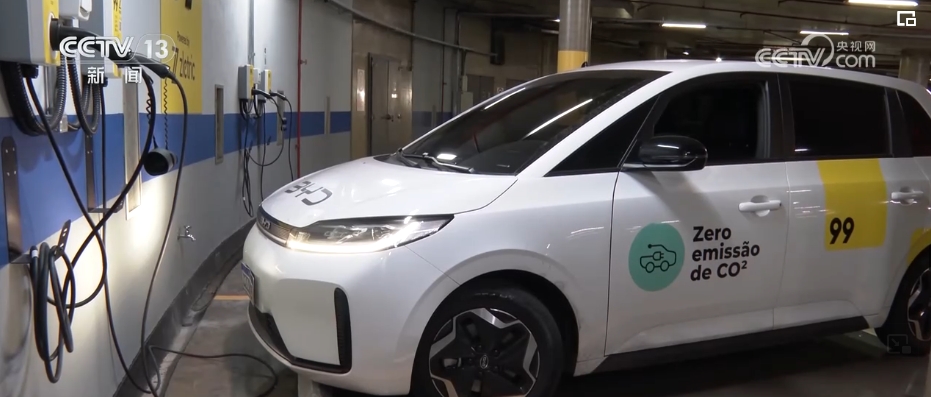
Tiago said that as a network car driver, he has to travel about 300 kilometers every day, which is very costly for vehicles day after day. In the past, the maintenance, repair and fuel cost of fuel vehicles was a big expense. The characteristics of electric vehicle, such as relatively simple mechanical structure, low failure rate and no need to refuel, have saved him a lot of money and greatly increased his monthly income. Tiago’s love for his own electric car is beyond words.
How can China’s new energy vehicles adapt to Brazil’s industrial orientation?
With China’s new energy vehicles being sought after in Brazil, the sales volume is growing rapidly, and China’s new energy vehicle enterprises are also actively adapting to the changes in the Brazilian market. How do China’s new energy vehicles adapt to Brazil’s industrial orientation?
China automobile enterprises accelerate their layout to help Brazil’s automobile industry develop.
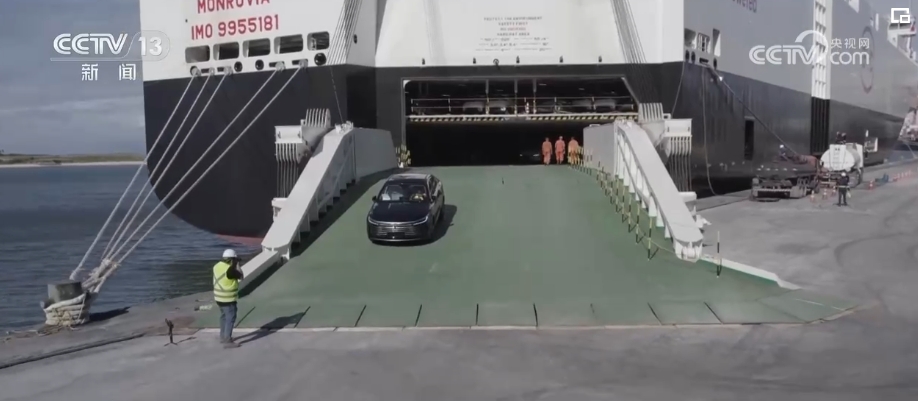
According to the statistics of the Brazilian National Association of Automobile Manufacturers, in 2023, the export volume of China automobiles to Brazil increased by more than 300% year-on-year, making China the second largest automobile import country in Brazil. In the first quarter of 2024, Brazil’s passenger car imports increased by 46.4% year-on-year, reaching US$ 1.5 billion, or about RMB 10.9 billion. Among them, China’s automobiles account for about 40% of the total import volume, and most of them are electric or hybrid models, with the number increasing by 450% compared with the same period in 2023.
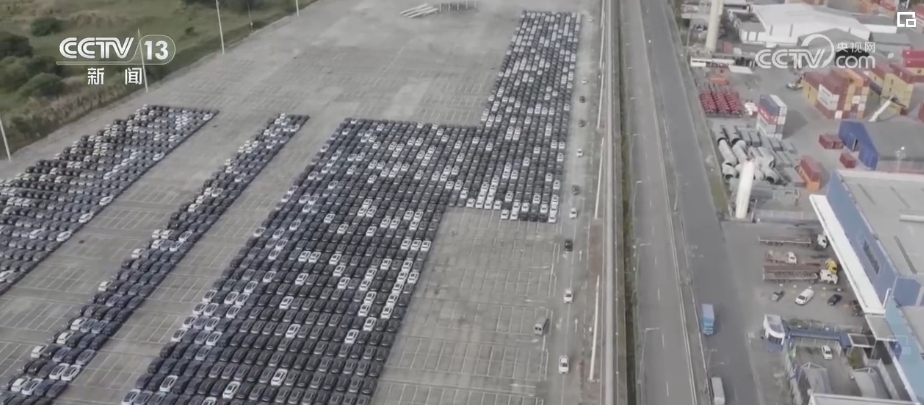
Ricardo bastos, president of the Brazilian Electric Vehicle Association, believes that it is very important for brands to adopt the strategy of localized production. It is not only import, but also the combination of import and local production.
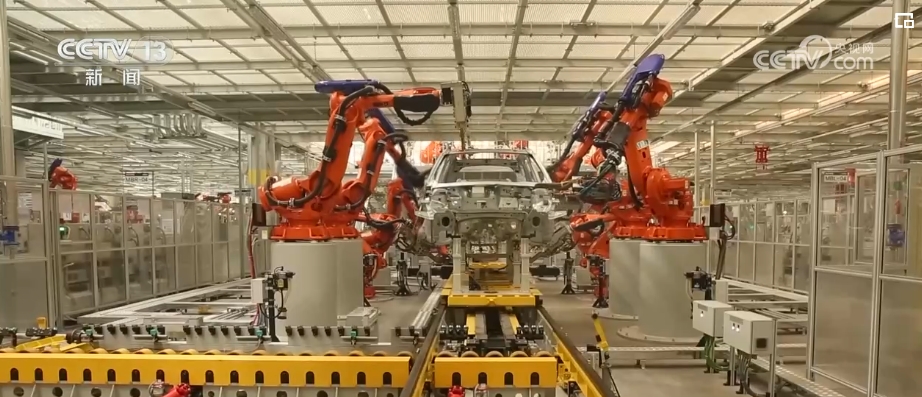
Ricardo bastos believes that only by doing localized production well and working closely with local enterprises can we better understand local needs and serve local customers. In this regard, China’s new energy vehicle companies have long been laid out. It is understood that the production of China car companies in Brazil is not simply to copy China’s experience, but to actively study the local market, combine Brazil’s resource endowment, cooperate with local enterprises, and cooperate with local policies to make breakthroughs in market segments.
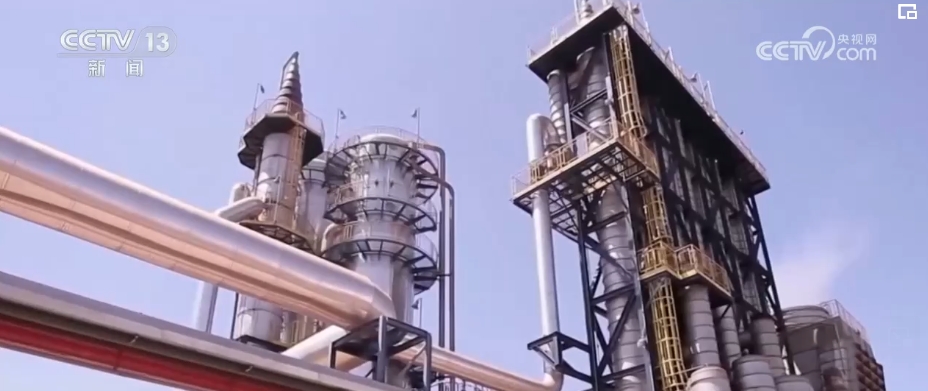
Brazil is one of the largest and most advanced producers of alcohol fuel in the world. The country mainly uses renewable resources such as sugarcane as raw materials for alcohol production, and promotes the use of alcohol fuel through subsidies and tax incentives. Therefore, the plug-in alcohol fuel hybrid vehicle can well balance the requirements of environmental protection, convenience and automobile performance.
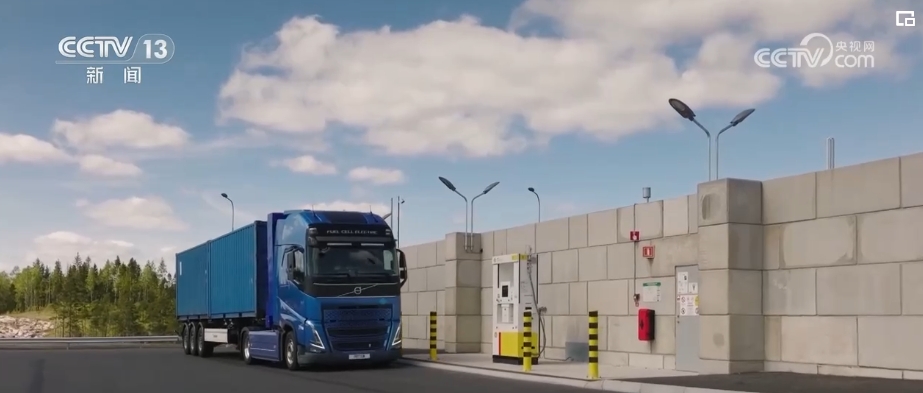
With clean and cheap alcohol, clean and cheap hydrogen can be prepared. At present, Great Wall Motor has contacted more than a dozen potential partners including the government, scientific research institutions, investment institutions and hydrogen energy manufacturers, and is committed to delivering hydrogen energy trucks and buses to the Brazilian market, reducing the cost and pollution of public transportation and freight transportation in Brazil.
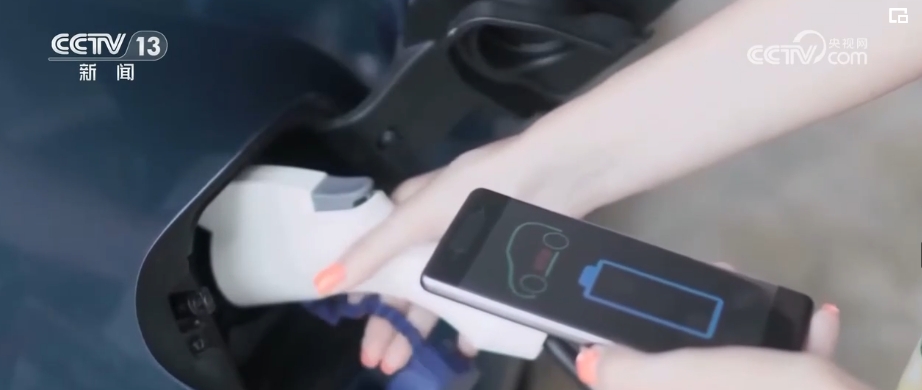
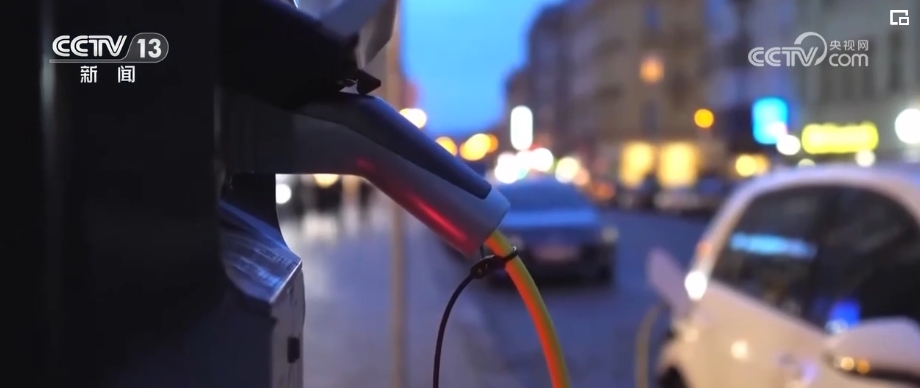
Because the route is fixed, the operation of hydrogen trucks and buses does not need to add a lot of infrastructure, but pure electric passenger cars are completely different. In terms of pure trams, charging facilities in Brazil are generally scarce and unevenly distributed. At present, the average "car-to-pile ratio" in Brazil is about 17:1, that is, a charging pile needs to serve 17 cars. In order to create a better use environment for pure trams, in February 2024, BYD cooperated with local Brazilian manufacturers and planned to build 600 DC charging piles in eight major cities in Brazil in the next three years.
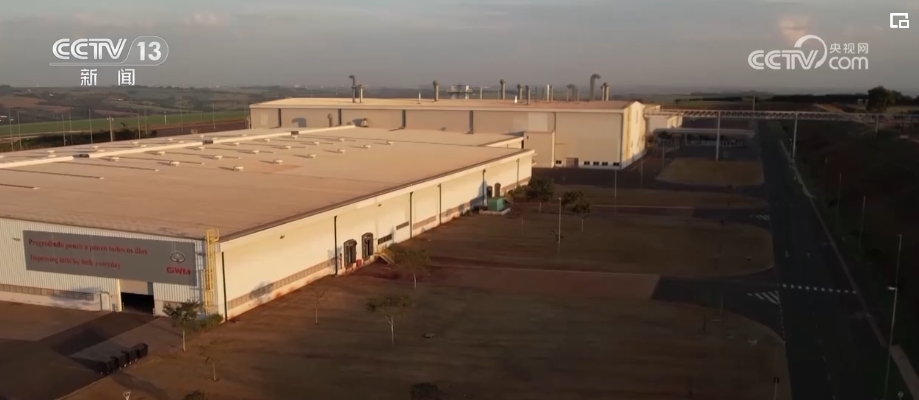
In April 2024, the sales of new energy vehicles in Brazil only accounted for 4.8% of the total sales of passenger cars, which is a veritable niche "track". However, since 2024, many automakers such as Volkswagen, General Motors, Hyundai and Toyota have announced that they will increase their investment in hybrid vehicle research and development and electrification technology upgrading in Brazil. In the foreseeable future, the new energy "track" of China automobile enterprises in Brazil will certainly face challenges from many established automobile enterprises.
China’s new energy vehicles are booming overseas
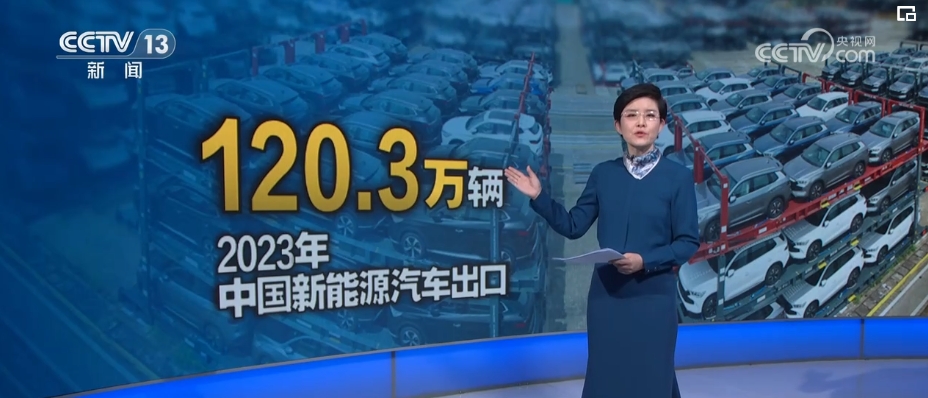
In recent years, China’s new energy vehicles have risen rapidly and entered new countries and regions, which has been recognized by more and more consumers all over the world. In 2023, the export of new energy vehicles in China reached 1.203 million. At present, China’s export destination countries of new energy vehicles cover more than 180 countries in Europe, Asia, Oceania, America and Africa.
The reason is that the advantages of China’s new energy automobile products are not formed by the so-called huge subsidies, but by technological innovation, product optimization and industrial upgrading.
How can China’s new energy vehicles better sail to the world?
China’s new energy vehicles are booming overseas, but they are also facing opportunities and challenges. In the future, how can China’s new energy vehicles better sail to the world?
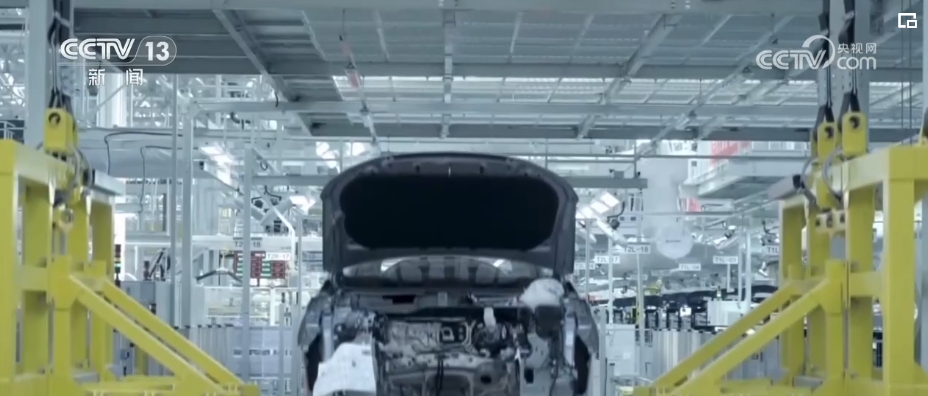
Wu Sa, deputy director of the Economic Research Institute of the Macroeconomic Research Institute of the National Development and Reform Commission, said: First, we must persist in continuous technological innovation. Technology is the core competitiveness of the new energy automobile industry. Enterprises in China need to continuously invest in research and development, comply with the ever-increasing global environmental protection requirements, and continuously improve the level of key technologies such as battery technology, electric drive system and intelligent network connection.
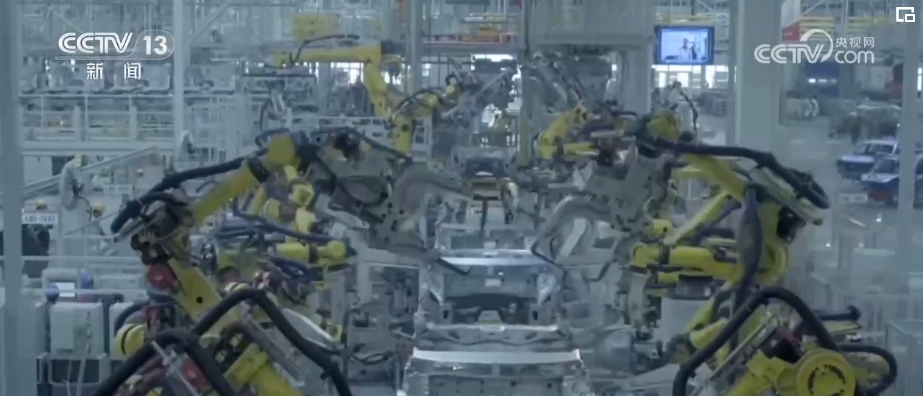
The second is to focus on building a brand image. At present, the international recognition of China automobile brands is not high enough, and it is necessary to establish and enhance the brand image through high-quality products, excellent services and effective marketing strategies.
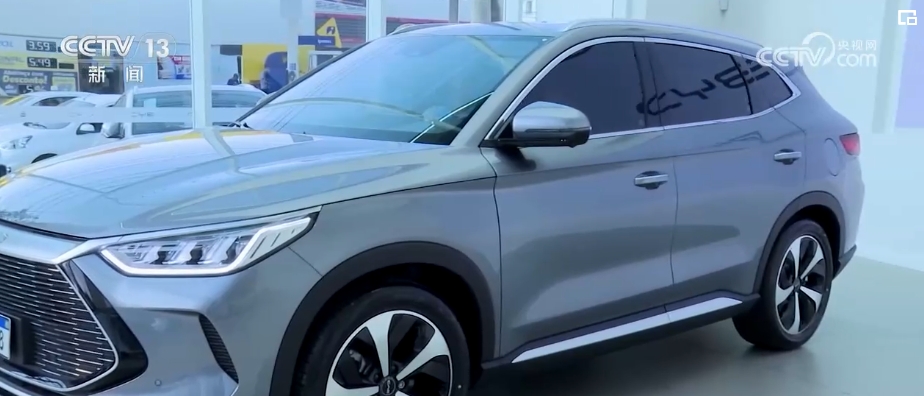
The third is to promote the diversified market strategy. Pay more attention to emerging markets and specific market segments, expand localized production and operation in major overseas markets, be familiar with the rules of target markets, ensure that their products can meet these requirements, and increase the recognition of local governments and consumers.
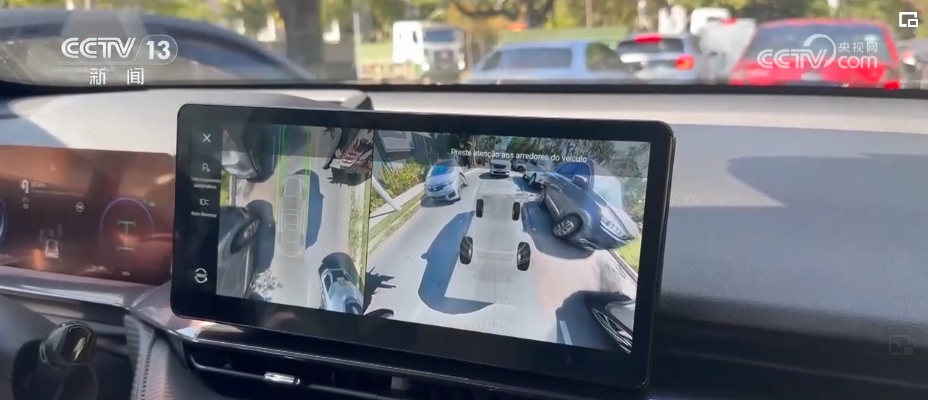
The fourth is to strengthen international cooperation. Cultivate more international talents, strengthen cooperation with internationally renowned enterprises and institutions, share resources, and improve their own technology and management level. The promotion and development of China’s new energy vehicles in the global market is bound to be a complicated process, involving many considerations and strategies. However, through continuous efforts, China’s new energy vehicles will definitely enhance their international competitiveness, overcome various challenges and occupy a more important position in the global market.